Contents
What a Brand Is Worth: Branded Residences Across NAC's Markets, from Dubai to Phuket
17 hotel- and luxury-branded listings on NAC: the brand lifts management scores but drags liquidity down. What to check before paying a 33% premium.
Worldwide, branded residences sell at an average 33% premium to comparable unbranded homes, according to Savills. In NAC's portfolio, 17 listings carry a hotel or luxury brand – from Nobu, Ritz-Carlton and W to Mercedes-Benz and Paramount – and they average a NAC Score of 78.1 against 73.5 for everything else. The brand lifts management scores clearly, but liquidity scores come in lower. The premium buys you a hands-off asset and a name; it doesn't automatically buy a higher return.
Source: Savills, Branded Residences 2025–26 (2026); NAC listing data, October 2026
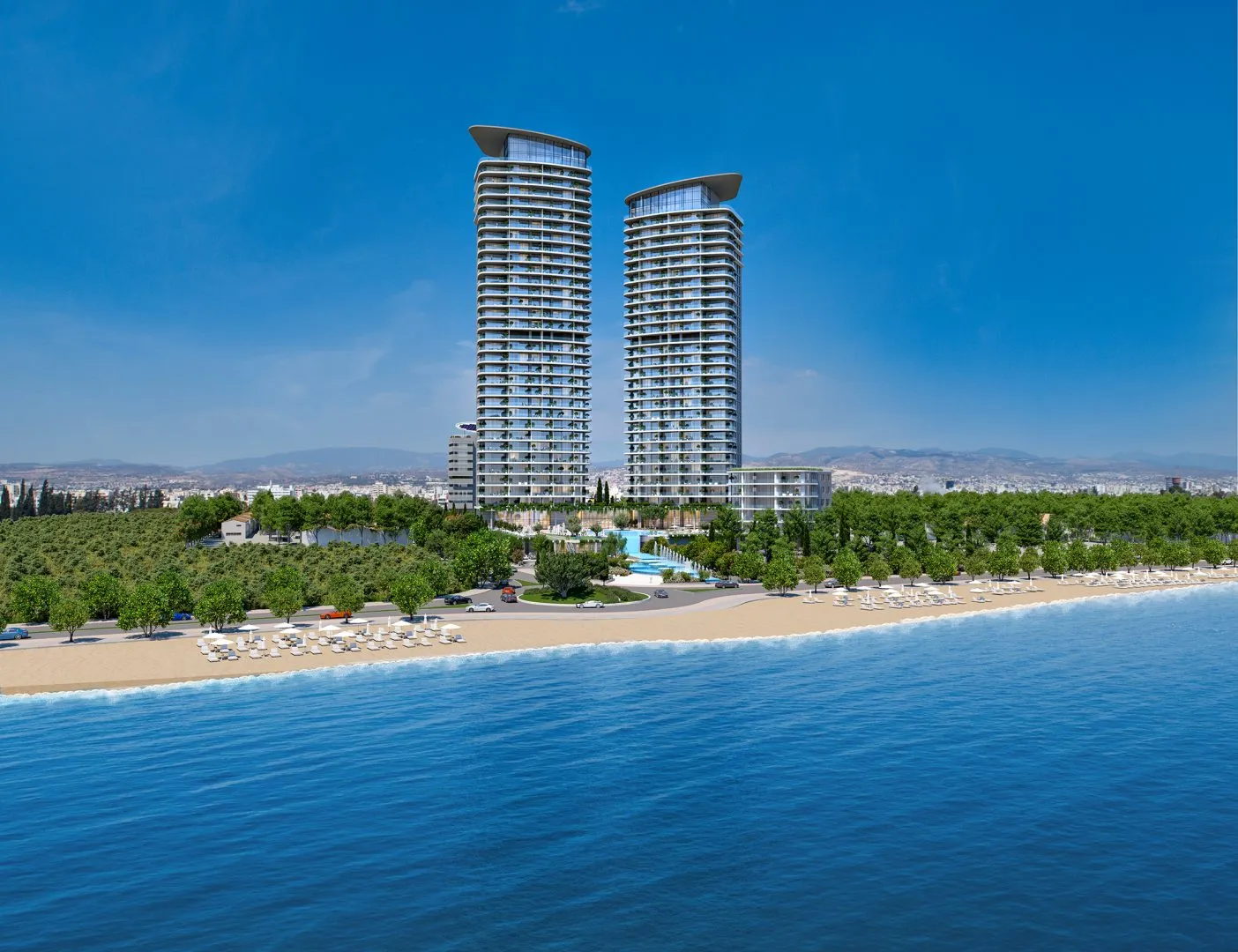
Coverage of branded residences tends to stop at Vietnam, where Nobu, Mandarin Oriental and Marriott are expanding fast. NAC's portfolio reaches further: a Mercedes-Benz tower in Downtown Dubai, W apartments in Istanbul, The Standard in Phuket, SO/ Sofitel in Kuala Lumpur and a Pullman on Panama's bay.
Lined up side by side, the question gets sharper: what does a brand actually change in an investment, and what can't it change?
Where the Brand Premium Comes From
According to Savills' Branded Residences 2025–26 report, the number of branded residential schemes worldwide was expected to reach 910 by the end of 2025, up 19% in a single year. Asia Pacific grew 55% over five years, driven mainly by Vietnam, Thailand and India. The average global premium is 33%, highest in resort locations at 39%.
Dubai is a case apart. According to Knight Frank, reported by Khaleej Times in 2024, branded residences there traded 86% above the rest of the market. That is a broad comparison rather than matched pairs, but it shows how heavily the brand is priced in that market.
The premium pays for three things: an operator with service standards, a professional rental programme, and a name the next buyer will recognise instantly.
The premium buys you a hands-off asset and a name; it doesn't automatically buy a higher return.
What the Brand Changes in the Score
We compared the 17 branded listings with the other 112 across the six pillars of the NAC Score – the same scoring framework behind the NAC Residence Index. The result isn't quite what most people expect.
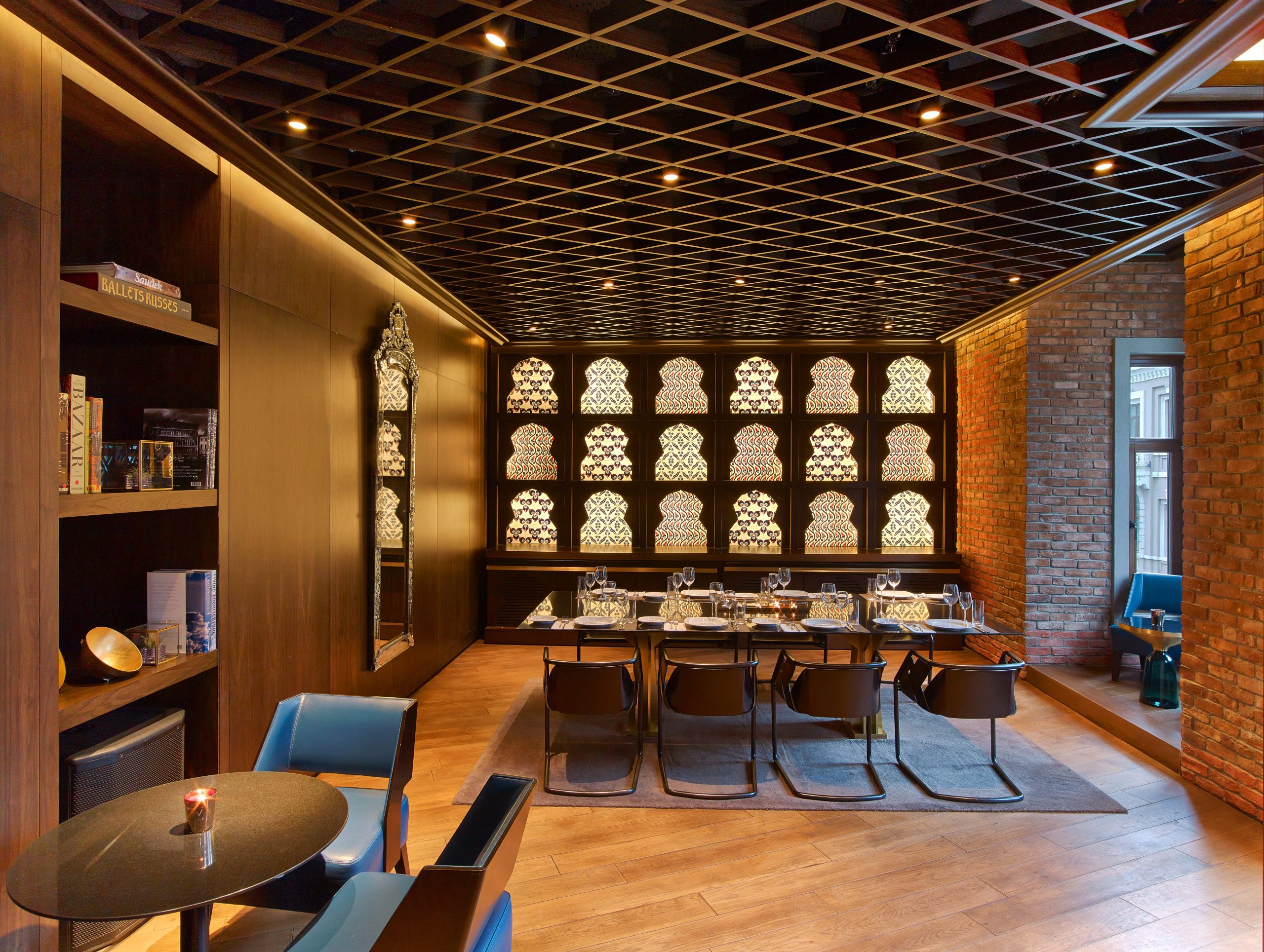
Management is the clearest win. Branded listings average 8.3 on management against 7.4 for the rest. Per NAC's listing data, W Suite in Istanbul runs as a revenue-sharing pool: owners opt in and keep 15 days of personal use a year. It is priced from US$572,300 with a NAC Score of 83 and an 11% gross yield – though NAC itself notes that part of the pool income is paid in lira, so conservative underwriting in dollar terms sits at 7–8%.
Yield barely moves. The average gross yield of branded listings is 5.85% against 4.83% for the rest, yet the yield pillar rises by only 0.02. Hotel operating costs eat into the net. NAC's profile of The Standard Residences Bangtao in Phuket says so plainly: an average price of about US$5,600 per square metre plus hotel-management fees compress the net yield, even with a 6% gross figure.
The Other Side: Liquidity and Risk
This is the least-discussed part. Branded listings score 0.82 lower on liquidity and 0.66 lower on risk. The reasons are structural: many are sold off-plan, and their price per square metre sits well above the local market, so the pool of resale buyers is narrower.
One Central Saigon – The Ritz-Carlton Residences is the textbook case. Per NAC's listing data it scores 82, with brand and location both at 9.8 on the Bến Thành roundabout, but liquidity at just 6. At around US$2,250,000, or roughly US$25,000 per square metre, the gross yield is only about 3%. NAC classes it as a prestige and capital-preservation hold, not a cash-flow asset.
At the other end, Pullman Panama City on Punta Pacifica bay shows how an upper-upscale brand can strike a better balance. It is already operating, priced at US$320,000 with a 7.1% gross yield and a NAC Score of 79, under an Accor-managed rental programme.

With a non-hotel brand, the answer is sometimes the developer itself.
Hotel Brands and Non-Hotel Brands
Not every brand comes with a hotel operator. Savills notes that both hotel and non-hotel brands – lifestyle, wellness and design-led names among them – keep expanding into residential, and NAC's portfolio reflects it.
Mercedes-Benz Places by Binghatti in Downtown Dubai is the world's first Mercedes-Benz branded tower: 341 metres, 65 storeys, at most four units per floor. Per NAC's listing data it starts at US$2,420,000 with a 5% gross yield, a NAC Score of 83 and handover targeted for Q4 2026. That comfortably clears the AED 2 million threshold that the UAE government portal sets for the property-investor golden visa.
With an automotive or entertainment brand, the question to ask is who actually runs the building after handover. With a hotel brand, the answer usually sits in the management agreement. With a non-hotel brand, the answer is sometimes the developer itself.
Each Market, Its Own Kind of Branded Residence
UAE: the six projects in NAC's UAE property listings range from Paramount apartments completed in 2019 to Sobha villas. Brands here are tightly bound to the golden visa, and the programme detail sits in NAC's UAE Golden Visa brochure.
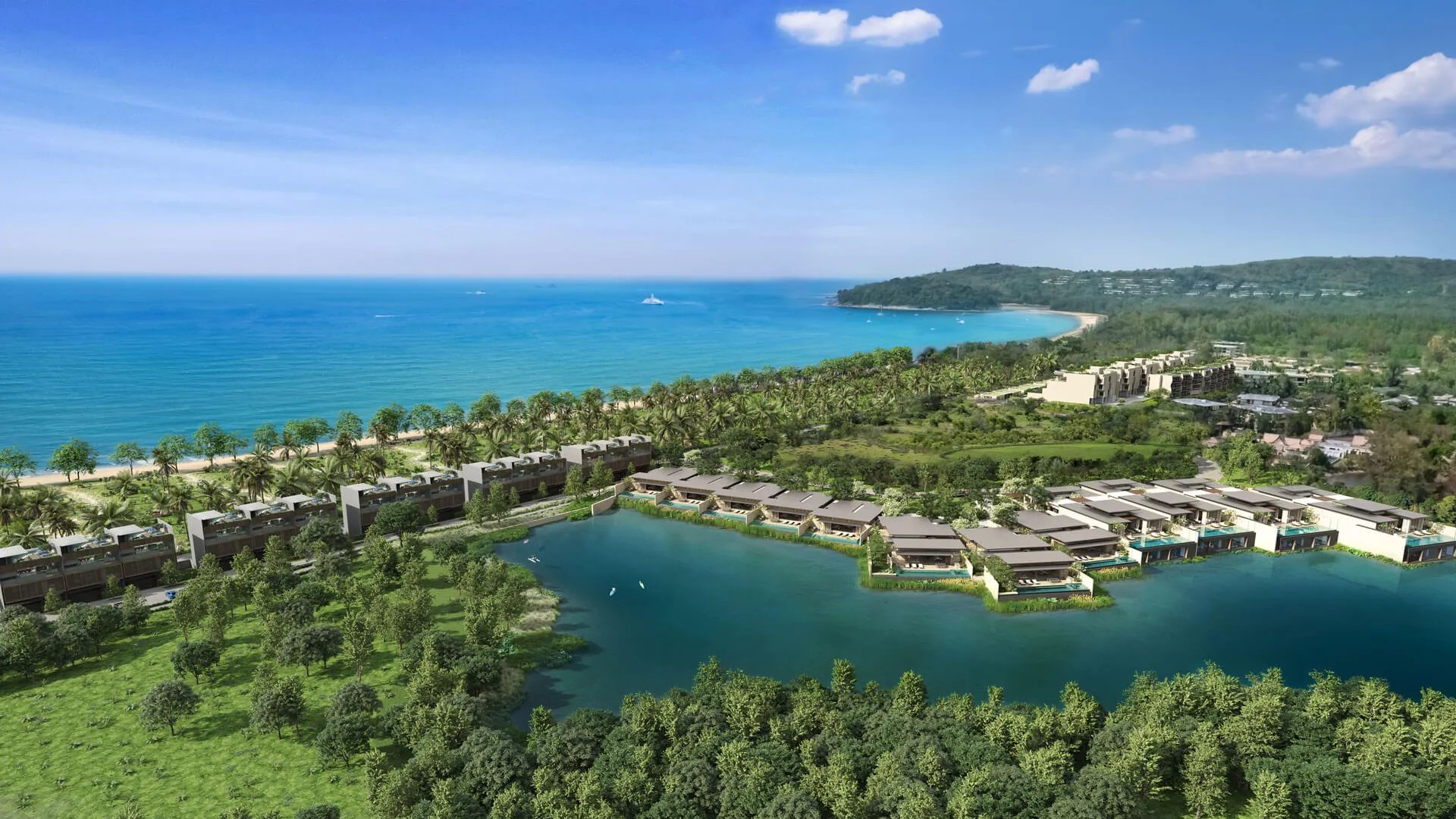
Thailand: Phuket has the densest cluster of branded residences in the portfolio. Foreigners can hold condominium units freehold within each building's 49% foreign quota, and most projects come with a hotel-run rental programme. NAC's Thailand listings show gross yields clustering around 6%.
Vietnam: seven branded projects with very high brand and management scores, but thin secondary-market liquidity remains the common weak point, alongside a 50-year ownership framework for foreigners.
A practical strategy for Vietnamese investors
Ask who operates the building, and for how long. Brand management agreements usually have a term. Read the renewal clauses and what happens if the brand walks away.
Work out the net yield, not just the gross. Management fees, service charges and revenue splits can open a gap of several percentage points between the two.
Decide whether you're buying to hold or to sell. If you plan to resell within three to five years, liquidity matters more than the brand. If you're holding for the next generation, brand and location carry more weight.
Measure the premium against the local market. The 33% figure is a global average. Work out the gap between your project and unbranded homes in the same area yourself.
Explore on NAC
 ×
× DAMAC Towers by Paramount🇦🇪 Dubai · from $354KYield 6.5%×Banyan TreeLaguna Phuket🇹🇭 Phuket · from $446KYield 6.0%×OxleyOxley Towers KLCC🇲🇾 Kuala Lumpur · from $328KYield 5.0%
 W Suite Istanbul🇹🇷 Istanbul · from $572KYield 11.0%×The StandardThe Standard Residences Bangtao🇹🇭 Phuket · from $359KYield 6.0%×
 One Central Saigon🇻🇳 Ho Chi Minh City · from $2.3MYield 3.0%
 ×
× Pullman Panama City🇵🇦 Panama City · from $320KYield 7.1%×Mercedes-BenzMercedes-Benz Places by Binghatti🇦🇪 Dubai · from $2.4MYield 5.0%
See also: Every listing on the NAC Property Hub · Branded residences in Vietnam
Frequently asked questions
Do branded residences always yield more?
No. In NAC's data the average gross yield is higher, but the yield pillar is almost level with other listings because operating costs reduce the net.
Why do branded residences score lower on liquidity?
High prices per square metre and many off-plan sales narrow the pool of resale buyers, especially in thin secondary markets such as Vietnam.
Does buying a branded residence in Dubai qualify for a golden visa?
It can, if the property is worth at least AED 2 million under UAE rules. Many smaller branded units fall below that, so check unit by unit.
NAC strategic insight
Brand is one of the six pillars we score, and it shares the top weighting with yield and location. But the data shows it isn't a master key. What a brand does best is turn an apartment into an almost hands-off asset tied to a name the whole world recognises.
For Vietnamese families, the right question isn't "which brand is most famous" but "what does this premium buy for our goals". If you'd like NAC to work out that premium project by project, book a consultation with NAC.
Sources