Contents
Waterfront Living Across NAC: Beaches, Marinas and Riverbanks
Waterfront homes cost more, but how much, and does it pay? Rental seasons, climate and insurance, from Phuket and Da Nang to Limassol, the Thames and Dubai.
Homes on a beach, a river or a marina almost always cost more than comparable homes inland – the premium runs from about 14% on London's riverside to well over 100% in some coastal markets, depending on how it's measured. But that premium doesn't turn into profit by itself. Investors need to read three more things: the rental season (the sea has one, the river mostly doesn't), climate risk, and insurance – the cost most people forget until renewal day.
Source: Knight Frank (2025); VietnamFinance (Dec 2025); Thai Meteorological Department (May 2026); Flood Re
Most writing about waterfront homes is about feeling: the sound of the waves, the sunset, the balcony over the bay. Vietnamese investors need a different lens, because they often buy to use part of the year and let the rest, and they're rarely there when a storm comes through. This piece sets the numbers on price premiums, tourist seasons and climate risk side by side, then checks them against project data in the NAC Residence Index.
How Much More Does Water Cost?
There's no single "waterfront premium". Each study measures it differently – some compare sale prices, some asking prices, some count only homes right on the water's edge. Side by side, though, a pattern is clear: sea frontage commands more than riverbanks, and big-city riverbanks command the least.
According to Knight Frank's Waterfront Homes 2025 report, UK waterfront homes average a 51% premium over comparable inland homes, up from 48% a year earlier; coastal homes carry 66%, inland riverside homes 24%, and London's riverside just 14%. In Australia, McGrath's "The Waterfront Advantage" study, reported by Elite Agent in November 2025, puts the average premium at 86%, rising to 122% for absolute waterfront homes in Sydney. In Dubai, a study commissioned by developer Shamal Holding says the premium rose from 90% in 2021 to 128% by Q1 2026 – a figure to read with care given who paid for it.
The first lesson: a high premium means you're paying up front for scarcity. It only pays off if that scarcity still holds when you sell.
The Sea Has Seasons: Phuket and Da Nang
Tropical beachfront homes let to the rhythm of tourist seasons, and that rhythm is tied to the monsoon. In late May 2026, the Thai Meteorological Department warned of a "rather strong" southwest monsoon over the Andaman Sea, with 2–3 m waves north of Phuket and advice for small boats to stay ashore. That's a typical picture of the low season on Phuket's west coast.
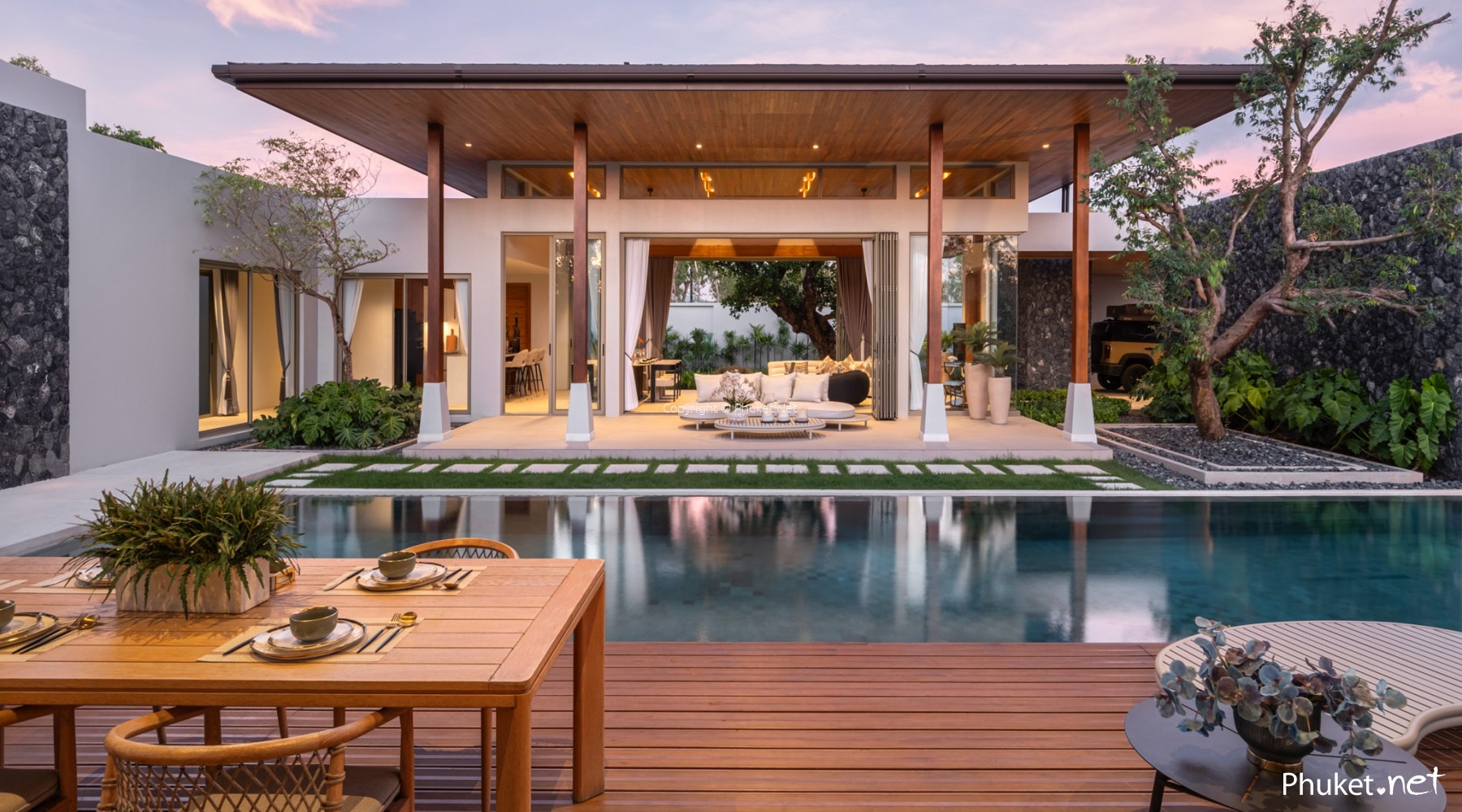
Per NAC's listing data, Origin Property's So Origin Bangtao Beach is a freehold condominium 400 m from Bangtao Beach, from $146,000 with a 7.0% gross yield and a NAC score of 68/100, with completion expected in Q2 2026. NAC's market notes for the Bangtao–Layan corridor cite 80–90% peak occupancy – but that's peak, not the twelve-month average. Phuket's 2025 picture wasn't all upward either: per CBRE, Phuket airport handled 2.7 million international passengers in the second half of 2025, down 1% year on year, while hotels saw full-year average rates fall 1.5% and occupancy slip 3.3 percentage points.
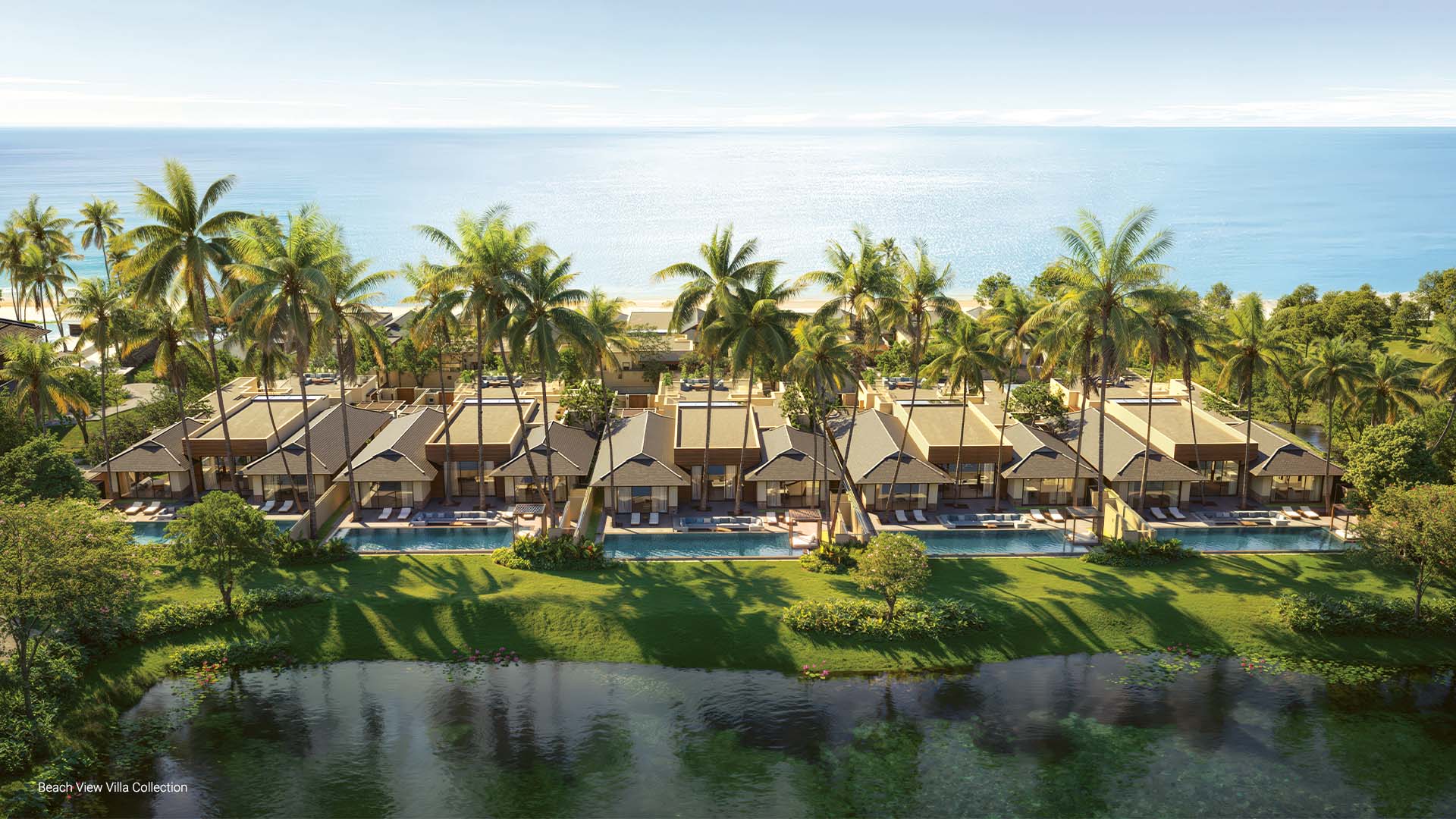
Da Nang is moving the other way. According to VietnamFinance (December 2025), the city served more than 17.3 million hotel guests in 2025, up 15%, including over 7.6 million international guests, up 25%. Per NAC's listing data, the Mandarin Oriental Residences villas on Non Nuoc Beach sit directly on the sand, from $1.8 million with a 6.0% gross yield, a score of 78/100 and handover estimated for Q4 2026. The listing also notes that five-star branded properties along Non Nuoc and My Khe typically report 70–80% occupancy at nightly rates above $250.
A high premium means you're paying up front for scarcity; it only pays off if that scarcity still holds when you sell.
The Mediterranean: Seafronts Attached to Working Cities
In Limassol and Piraeus, the waterfront isn't only about tourism; it's tied to an economy that works year-round. That makes the off-season shallower.
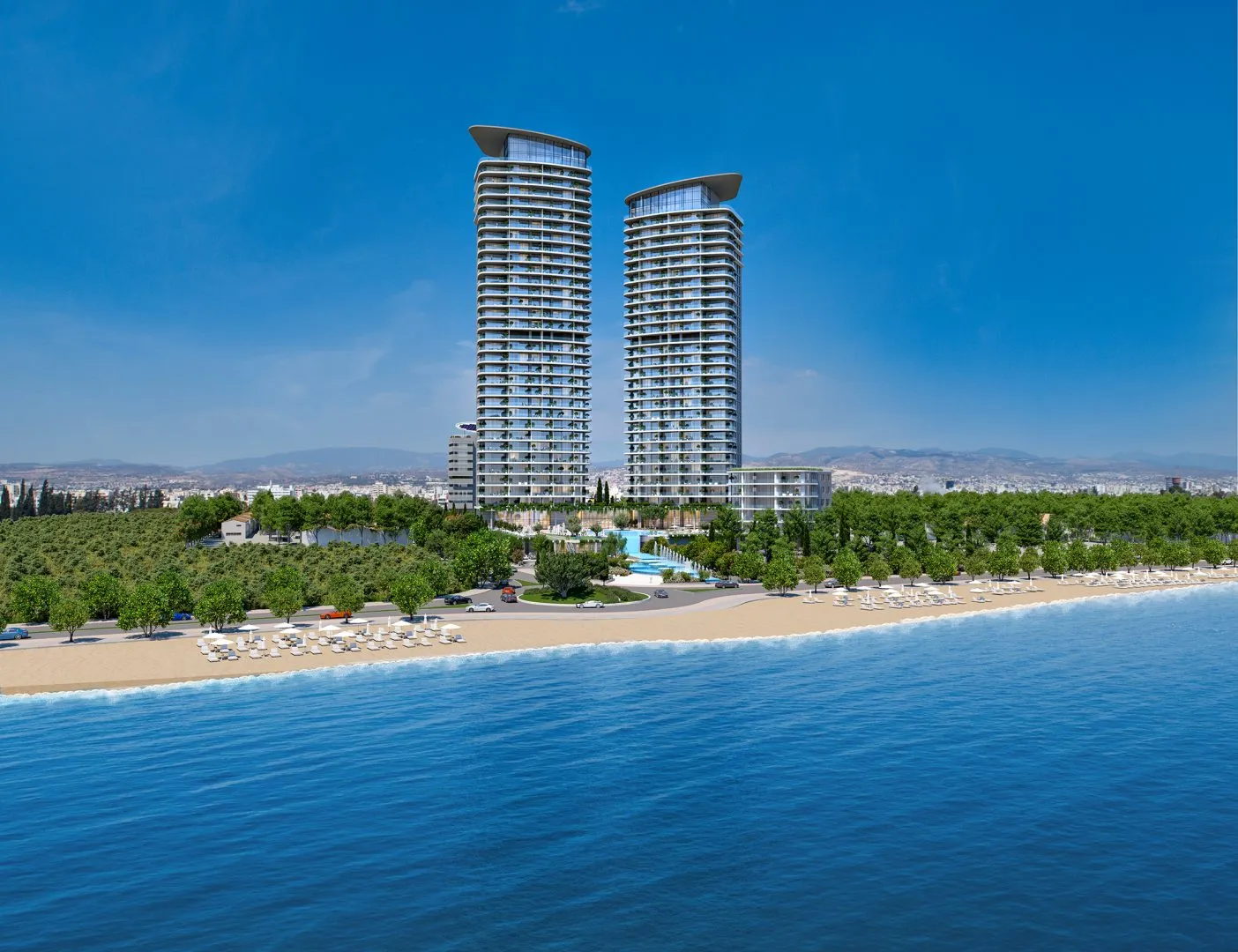
Per NAC's listing data, Leptos Estates' Limassol Blu Marine sits on the Thomas Edison Street seafront promenade, five minutes' drive from Limassol Marina, ready to move into, from €748,000 with a 6.5% gross yield and a NAC score of 83/100. The listing stresses year-round rental demand from expatriate professionals at law, shipping and tech firms – long-let tenants rather than summer visitors. NAC's Cyprus property portfolio and the Cyprus permanent residence programme show how these seafront units connect to European residence rights.
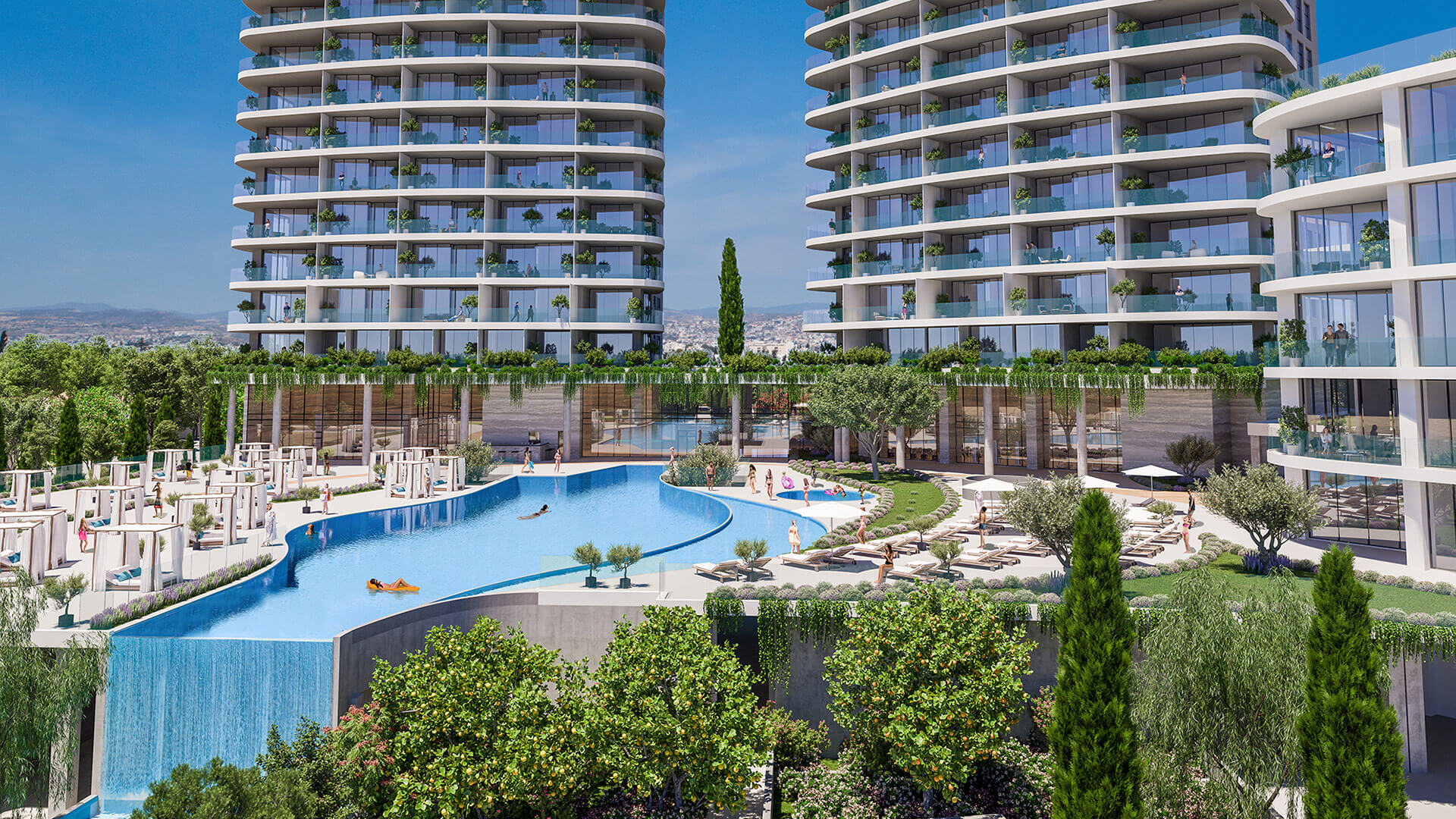
"Waterfront" isn't one asset class: a regenerating port and a resort-style promenade tell different stories.
Near Athens, Ocean Gate Building in the port of Piraeus is 400 m from Piraeus Metro, from €261,000 with a 3.0% gross yield and a score of 70/100, per NAC's listing data, with a 3–4-year developer sublease programme. A yield well below Limassol's is a reminder that "waterfront" isn't one asset class: a regenerating port and a resort-style promenade tell different stories.
Riverbanks: Less Seasonal, With Their Own Story
City riverside homes barely have a low season, because tenants are commuters rather than tourists. In exchange, the premium is smaller – as London's 14% shows.
Per NAC's listing data, Fulham Reach has direct frontage on the Thames with a public riverside promenade, from £576,000 with a 5.2% gross yield and a NAC score of 88/100. In Saigon, Grand Marina Saigon stretches along 500 m of river frontage, from $450,000 with a 5.8% yield and a score of 81/100. And in Dubai, DAMAC Safa Gate sits right by the Dubai Canal and Safa Park.
Climate and Insurance: The Part Few People Read
In the UK, the Flood Re reinsurance scheme helps many homeowners in flood-risk areas get affordable cover. But under Flood Re's official criteria, it only covers homes built before 1 January 2009, and blocks of more than three flats generally don't meet the buildings-cover criteria. Almost every new Thames-side flat falls into both groups, so flood cover depends on the building's own policy and the annual service charge.
In the tropics the questions are wind and rain: storm-rated structures, drainage, and whether the management has a reserve fund deep enough to deal with salt damage. In branded residences the hotel operator usually handles this, but the cost still lands in the management fee.
A practical strategy for Vietnamese investors
Ask what the premium is actually buying. The water's edge, a view, or just "near the beach"? Four hundred metres can be a big difference in price and a small one in experience.
Underwrite the yield over twelve months, not the peak. For tropical beachfront, ask for average annual occupancy and the number of low-season months, not just high-season figures.
Favour waterfronts attached to a working economy. Limassol or London's riverbank have long-let tenants all year, so they depend less on the tourist calendar.
Read the insurance and the service charge before you pay a deposit. Climate costs rarely sit in the purchase price; they sit in what you pay every year.
Explore on NAC
 ×
× Grand Marina Saigon🇻🇳 Ho Chi Minh City · from $450KYield 5.8%So Origin Bangtao Beach🇹🇭 Phuket · from $146KYield 7.0%
 ×
× Mandarin Oriental Residences, Da Nang🇻🇳 Da Nang · from $1.8MYield 6.0%
 Limassol Blu Marine🇨🇾 Cyprus · from €748KYield 6.5%Ocean Gate Building🇬🇷 Athens · from €261KYield 3.0%Fulham Reach🇬🇧 London · from £576KYield 5.2%
See also: NAC's Thailand projects · Seafront addresses in Limassol and Paphos · The residence programme comparison table · NAC's Property Hub
Frequently asked questions
Do waterfront homes always appreciate faster than inland ones?
Not necessarily. The premium reflects scarcity today, but later price growth depends on new supply, the local economy and the cost of ownership.
When is the low season for letting a Phuket beachfront condo?
Phuket's west coast takes the full southwest monsoon in the middle of the year, with big swells and fewer visitors. Ask the developer or operator for twelve-month average occupancy rather than peak figures.
Can a new Thames-side flat get flood cover through Flood Re?
Usually not: Flood Re only covers homes built before 1 January 2009, and blocks of more than three flats generally don't qualify. Cover then comes through the building's own policy.
NAC strategic insight
Water is one of the few location features nobody can build more of, so it's always priced high. Lasting value, though, doesn't come from the view. It comes from a waterfront tied to a real economy, a long enough guest season and ownership costs you can control. NAC records these factors on every listing so you can compare beach with beach and riverbank with riverbank.
If you're weighing a seaside or riverside home, book a consultation with NAC and we'll go through the seasonal data and running costs with you before you decide.
Sources
- Knight Frank — Waterfront Homes, Edition 3 (2025)
- Elite Agent — Living by the water now costs 86 per cent more, McGrath (2025)
- Thai Meteorological Department — Heavy rains and strong waves in the Andaman Sea advisory (2026)
- VietnamFinance — Da Nang welcomes 17.3 million guests (2025)
- Flood Re — Eligibility criteria (2026)