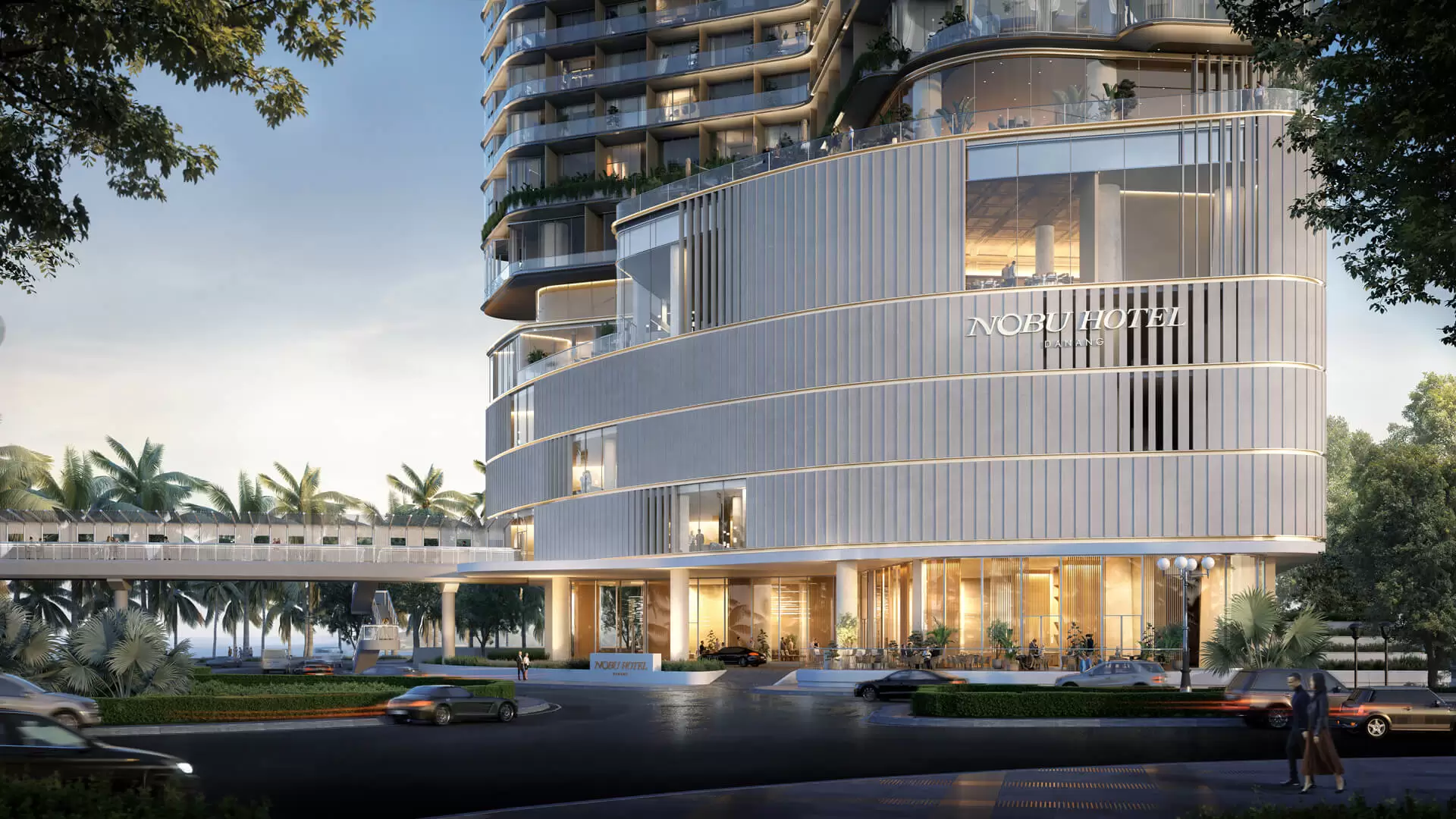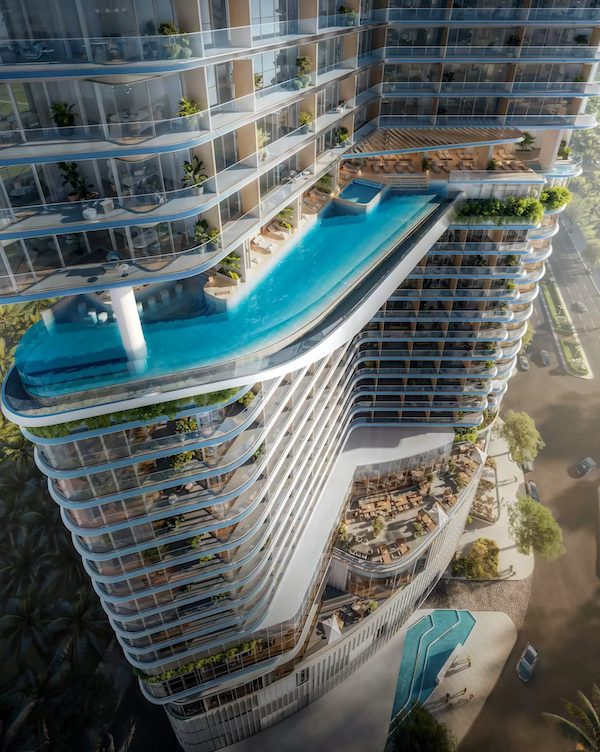
The pitch is compelling: own a branded residence in Vietnam, use it for your family’s summer holiday, and let the hotel manage the rental income while you’re away. The brochure says 10% annual yield. Your financial advisor tells you to ask more questions. They’re right.
This article breaks down how allotted use packages and rental pool structures actually work — and what to model before you write the cheque.
The Anatomy of an Allotted Use Package
A branded residence purchase in Vietnam typically bundles several components:
1. The physical unit — your leasehold title to a specific apartment or villa.
2. A hotel management agreement (HMA) — a contract committing your unit to the hotel’s rental pool, managed by the operator (Marriott, Nobu, Four Seasons, etc.).
3. An allotted personal use period — the dates and duration you can occupy the unit without participating in the rental pool. Typically 30–45 days per year at most branded properties in Vietnam. Some projects offer tiered packages (15-day, 30-day, 45-day) at different ownership price points.
4. Priority booking rights — separate from allotted use, most agreements give owners the right to book additional nights at hotel rack rates (sometimes discounted).
Gross vs Net: The Yield Gap
The single most important number to interrogate in any branded residence pitch is the difference between marketed gross yield and achievable net yield.
Gross yield is calculated as: total rental revenue ÷ purchase price.
Net yield is what you actually receive after all deductions.
Here is a typical waterfall for a $600,000 unit in a well-managed Da Nang branded residence:
| Item | Annual Amount |
|---|---|
| Gross rental revenue (10% marketed yield) | $60,000 |
| Operator management fee (typically 15–25% of revenue) | –$12,000 |
| HOA / building maintenance | –$5,500 |
| Property insurance | –$1,200 |
| Vietnamese non-resident income tax (5%) | –$2,065 |
| Net rental income to owner | ~$39,235 |
| Effective net yield | ~6.5% |
A gross yield of 10% becomes a net yield of approximately 6.5% — still attractive relative to yields in Singapore, Hong Kong, or Australia, but meaningfully lower than the headline number.
Note that the gross yield itself is a projection, not a guarantee. Developer-provided yield projections are typically based on optimistic occupancy assumptions (70–80%), which may take 2–3 years to achieve at a newly opened property.
The Occupancy Reality at New Openings
Branded residences in emerging markets typically follow a ramp-up curve:
- Year 1–2: 45–60% occupancy (property establishing reputation, booking channels building)
- Year 3–4: 60–75% occupancy (brand recognition growing, repeat guests, online review scores maturing)
- Year 5+: 70–85% occupancy (steady-state for a well-managed property in a growing destination)
This means buying into a new project at launch requires patience. Buyers who entered Marriott-branded projects in Phu Quoc in 2018–2019 saw COVID impact years 2–3, followed by recovery and yield normalization. Those who held through received the appreciation upside alongside normalised yields. Those who entered expecting immediate 10% returns were disappointed.
The Management Agreement Term — Read Carefully
Hotel Management Agreements in Vietnam typically run for 10–20 years, with renewal options. Key clauses to scrutinise:
Exclusivity: Can you withdraw your unit from the rental pool? Most agreements have lock-in periods — early withdrawal typically triggers a penalty clause.
Operator change: If the branded operator exits the management agreement, what happens to your unit’s valuation and management?
Renovation requirements: Operators periodically require unit refurbishment to maintain brand standards. This cost is borne by the owner — typically $15,000–40,000 every 7–10 years depending on the unit type.
FF&E reserve: Most agreements require owners to contribute to a Furniture, Fixtures & Equipment reserve fund — typically 3–5% of gross revenue annually. This is above and beyond management fees.
Capital Appreciation: The Other Return
Yield is only half of the total return equation. Vietnam’s emerging market trajectory adds a capital appreciation component that pure yield analysis ignores.
For reference: branded villa prices in Seminyak, Bali in 2010 were approximately 40–50% of today’s values. Buyers who held through 12–15 years captured both yield and significant appreciation. Vietnam’s Da Nang coastal corridor is broadly at a similar stage of development to where Bali was in 2010–2012.
This appreciation potential does not show up in a 5-year yield calculation but is the primary driver of total return for long-horizon buyers.
The Honest Bottom Line
A well-selected branded residence in Vietnam — purchased at the right price point, with a credible operator, in a location with genuine tourism demand — can realistically deliver:
- Net yield: 5–7% per annum (years 1–3), 6–8% (stabilised, year 4+)
- Personal use: 30–45 days per year of premium lifestyle at no additional cash cost
- Capital appreciation: 20–40% over a 7–10 year holding period in a well-chosen location
- Management convenience: Zero operational involvement for an absentee owner
For a high-net-worth family that would otherwise spend $8,000–15,000 renting a comparable villa for two to three weeks of holidays, the summer home component alone provides measurable financial value — on top of the investment return.
NAC works with clients to evaluate branded residence opportunities across Southeast Asia as part of a broader wealth structuring and residency planning framework. Ask us about our due diligence approach.