In 2010, a 3-bedroom villa in Seminyak, Bali — managed by a recognised brand and yielding a credible rental income — could be acquired for approximately $300,000–400,000. By 2025, comparable product in the same corridor trades at $900,000–1.3M. Buyers who held through that period captured 200–250% capital appreciation, alongside 7–10% average annual yields.
The question worth asking now: where is the next Bali? Our answer, based on the fundamentals, is Vietnam's central and southern coastal corridor — with Da Nang as the fulcrum.
The Bali Template
Bali's rise as a premier branded residence destination followed a recognisable pattern:
- International tourism recognition — Bali built a globally recognisable tourism brand through the 2000s
- Infrastructure development — Ngurah Rai International Airport expansions; Ngurah Rai capacity doubled 2013–2016
- Branded hotel entry — Aman, then Four Seasons, then Rosewood and Six Senses followed
- Foreign buyer market deepens — Australians first, then Europeans, then broader Asian HNW segment
- Price re-rating — As international recognition scaled, pricing followed
Each stage of this template reinforced the next. The buyers who arrived at stages 2–3 captured the most significant appreciation. By stage 4–5, the market had re-priced the opportunity.
Vietnam's coastal corridor — Da Nang, Hoi An vicinity, Nha Trang, and Phu Quoc — is currently at stages 2–3 of this cycle.
Vietnam's Tourism Trajectory
The raw tourism numbers are compelling:
- 2019 (pre-COVID peak): 18 million international visitors to Vietnam
- 2023 (post-COVID recovery): 12.6 million international visitors
- 2025 projection: 15–16 million international visitors
- 2026–2028 target: Vietnamese government target of 20–25 million international visitors annually
Da Nang International Airport currently handles approximately 13 million passengers annually. A major expansion — adding a second runway and increasing capacity to 30 million passengers by 2030 — is under active construction. This infrastructure investment is a reliable leading indicator of future tourism capacity.
For comparison: Phuket's Suvarnabhumi-led expansion in the mid-2000s directly preceded the city's decade of branded residence appreciation.
The Brand Pipeline as a Proxy for Confidence
The most reliable signal that a destination has reached institutional confidence is the pipeline of globally branded properties under development. Brands like Marriott, Four Seasons, and Mandarin Oriental do not commit to a destination without extensive due diligence on long-term demand, infrastructure trajectory, and regulatory stability.
Vietnam's confirmed branded pipeline for 2024–2028 delivery includes:
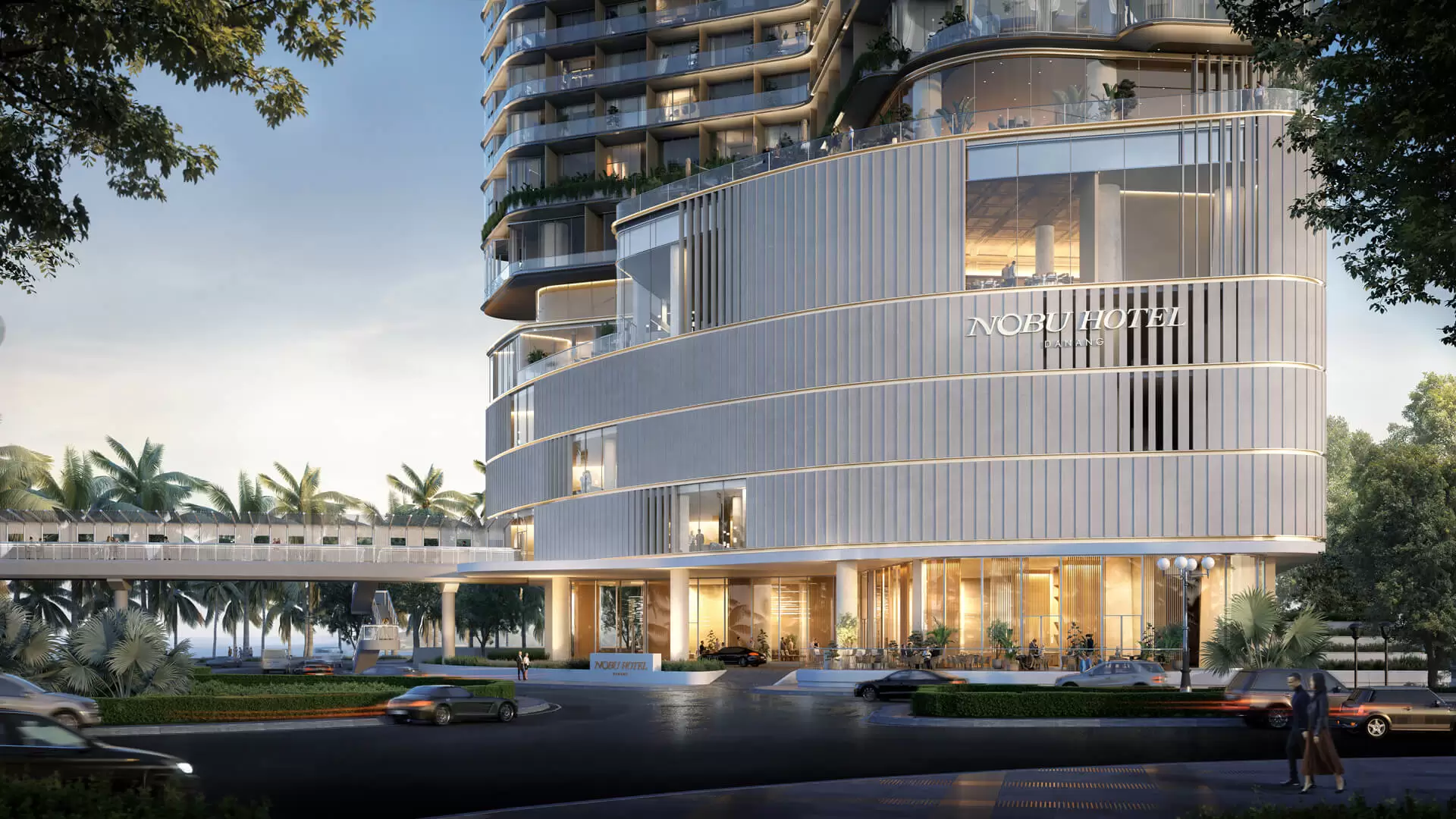
- Da Nang / Han River corridor: JW Marriott expansion, Nobu Hotel & Residences, W Residences
- Phu Quoc: JW Marriott Emerald Bay expansion, Marriott's premium brands, InterContinental
- Nha Trang: Hyatt branded residences, Marriott branded developments
- Ho Chi Minh City: Mandarin Oriental (announced), Four Seasons residential component
This pipeline represents approximately $2–3B in branded hospitality investment across Vietnam between 2024 and 2028 — an unprecedented concentration for an emerging Southeast Asian market.
Price Comparison: The Gap That Still Exists
The emerging market price advantage is real and quantifiable:
| Market | Branded Residence Price/sqm (Beachfront, USD) | Stage in Cycle |
|---|---|---|
| Da Nang, Vietnam | $3,000–5,500 | Emerging |
| Phu Quoc, Vietnam | $3,500–6,000 | Early growth |
| Bali (Seminyak) | $7,000–12,000 | Mid-mature |
| Phuket (Surin/Kamala) | $6,000–10,000 | Mature |
| Koh Samui | $5,000–8,000 | Mid-cycle |
Da Nang beachfront branded residences trade at roughly 40–55% of comparable Bali or Phuket product. This gap cannot persist indefinitely if Vietnam's tourism trajectory continues on its current path — and all leading indicators suggest it will.
The GDP Growth Context
Property appreciation in emerging markets is structurally linked to GDP growth and middle-class expansion — both because these factors drive local demand and because they attract the international capital that re-prices assets.
Vietnam's GDP growth has averaged 6.5–7% annually over the past decade. The World Bank projects 6–6.5% growth through 2028. This is not incidental to the property thesis — it is the thesis. A country growing at this rate is building the tourism infrastructure, transportation networks, and HNW domestic buyer base that drives long-term branded residence demand.
The Risk Factors (In the Interest of Balance)
Emerging market positioning comes with genuine risks that Bali or Phuket no longer carry:
- Regulatory uncertainty: Vietnam's foreign ownership framework for property has evolved several times. Future policy changes remain possible, including changes to leasehold renewal terms or foreign ownership caps
- Developer execution risk: Not all branded projects in Vietnam deliver to schedule or specification. Operator selection and developer track record are critical due diligence requirements
- Liquidity: The resale market for foreign-owned branded residences in Vietnam is thinner than in Phuket or Bali. Exiting at short notice may require price concessions
- Currency risk: VND depreciation over time affects USD remittances when converting rental income; most branded properties operate in USD, which mitigates but does not eliminate this risk
The Window
Markets at this stage of cycle — brand pipeline active, infrastructure under construction, prices still at a meaningful discount to comparable mature markets — represent a window that closes as each of those factors resolves.
Bali's window for buyers at stage 2–3 pricing was approximately 2008–2014. Phuket's was 2002–2010. Both markets have since re-priced to levels that eliminate the emerging market premium while retaining steady yield.
Vietnam's equivalent window, in our assessment, is approximately 2024–2029. Buyers who act within this period — with appropriate due diligence on location, operator, and legal structure — are positioned for the convergence trade: emerging market pricing today, mature market valuation tomorrow.
NAC helps clients identify and structure branded residence investments in Vietnam and Southeast Asia as part of a comprehensive residency and family wealth planning mandate. Contact us to discuss the current opportunity set.